


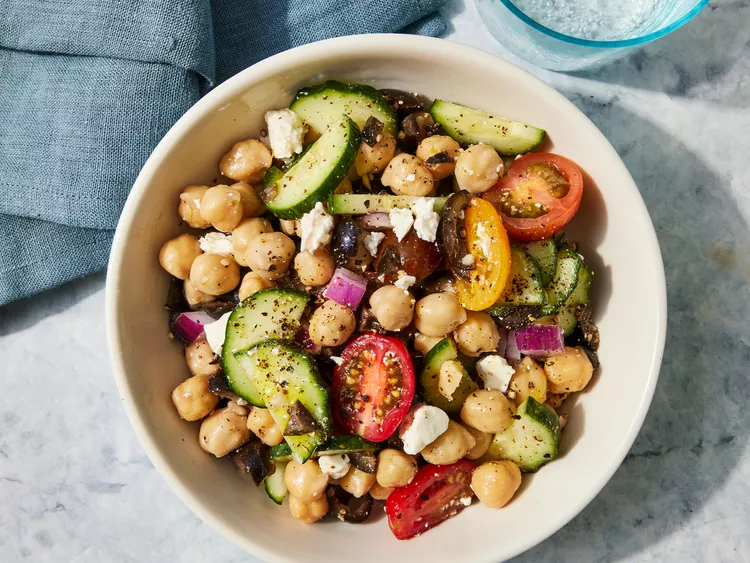
The Ultimate Greek Garbanzo Bean Salad: A Masterclass in Texture and Flavor Balance
The Mediterranean diet has long been celebrated for its focus on vibrant produce, whole grains, and heart-healthy fats. At the intersection of simplicity and culinary sophistication sits the classic chickpea salad. This Greek Garbanzo Bean Salad recipe reinvents the traditional rustic Horiatiki (Greek village salad) by introducing a sturdy, protein-rich legume base. This addition transforms a simple, volatile side dish into a structurally resilient meal that holds up beautifully for hours.
Whether you are looking for a vibrant addition to a weekend gathering, a high-protein vegetarian lunch option for a busy work week, or a crisp, refreshing dinner accompaniment, this dish delivers. By understanding how the ingredients interact, utilizing proper culinary knife work, and executing a balanced red wine vinaigrette emulsion, you can elevate simple pantry staples into a restaurant-quality centerpiece.
Why This Greek Garbanzo Bean Salad Works
The primary pitfall of many vegetable-heavy salads is structural degradation. Leafy greens wilt within hours of dressing exposure due to osmotic pressure, which draws water out of plant cell walls. Tomatoes and cucumbers shed liquid, pooling at the bottom of the bowl and diluting the vinaigrette.
This recipe solves those structural and balance issues through precise culinary techniques:
-
The Legume Buffer: Garbanzo beans (chickpeas) are dense and porous. Instead of degrading when exposed to acid, they absorb the dressing, improving in flavor over 24 to 48 hours.
-
Textural Contrast: The salad balances the creamy density of the chickpeas, the buttery richness of sheep’s milk feta, the crisp snap of English cucumbers, and the juicy pop of ripe tomatoes.
-
The Emulsified Herb Vinaigrette: Using a high-quality extra virgin olive oil as the base, the dressing employs Dijon mustard as a natural emulsifier. This keeps the fat and acid tightly bound, coating every ingredient uniformly rather than separating.
The Ingredients
For the ultimate flavor profile, select high-quality, authentic Mediterranean ingredients. Because this is a raw, non-cooking preparation, the quality of each individual component directly dictates the final outcome.
For the Salad Base
-
Garbanzo Beans (Chickpeas): Two (15-ounce) cans, thoroughly drained and rinsed. Look for firm, unbroken beans.
-
English Cucumber: One large cucumber, unpeeled, halved lengthwise, scooped of seeds, and diced into 1/2-inch pieces. English cucumbers are preferred over standard slicing cucumbers because their skins are thin and non-bitter, and they contain fewer water-logged seeds.
-
Cherry or Grape Tomatoes: One pint (approx. 2 cups), halved or quartered depending on size. These varieties contain less excess water and a higher sugar-to-acid ratio than large field tomatoes.
-
Kalamata Olives: 1/2 cup, pitted and sliced lengthwise. Ensure they are packed in brine or red wine vinegar, not oil, to preserve their signature tang.
-
Red Onion: 1/2 cup, finely minced.
-
Greek Feta Cheese: 4 ounces, cut into 1/2-inch cubes or roughly crumbled by hand. Choose high-quality block feta aged in brine (preferably sheep’s milk or a sheep and goat’s milk blend) rather than pre-crumbled varieties, which contain anti-caking agents that compromise texture.
-
Fresh Italian Flat-Leaf Parsley: 1/3 cup, finely chopped.
-
Fresh Mint Leaves (Optional): 2 tablespoons, chiffonade (finely sliced ribbons) for an extra layer of brightness.
For the Red Wine Vinaigrette
-
Extra Virgin Olive Oil: 1/3 cup. Use cold-pressed oil with a robust, slightly peppery finish.
-
Red Wine Vinegar: 3 tablespoons. Provides the essential, sharp acid profile characteristic of Greek cuisine.
-
Fresh Lemon Juice: 1 tablespoon, freshly squeezed. Adds a clean, high-note citrus acidity that balances the deep notes of the vinegar.
-
Dijon Mustard: 1 teaspoon. Acts as the stabilizing emulsifier.
-
Garlic: 2 medium cloves, finely grated on a microplane or completely minced into a paste.
-
Dried Oregano: 1 teaspoon. Crush the dried herb between your palms before adding to release its volatile aromatic oils.
-
Fine Sea Salt: 1/2 teaspoon (adjust to taste, keeping in mind the salinity of the olives and feta).
-
Freshly Cracked Black Pepper: 1/4 teaspoon.
Step-by-Step Instructions
Follow these chronological steps to ensure optimal texture, flavor integration, and presentation.
Step 1: Prep and Tame the Onions
Raw red onions can sometimes overpower a fresh salad with their pungent sulfur compounds. To mitigate this without losing their characteristic crunch, submerge the finely minced red onions in a small bowl of ice water for 10 minutes while you prep the remaining ingredients. This process, known as “degorging,” washes away the aggressive sulfur compounds. Drain thoroughly and pat dry with a paper towel before adding to the mix.
Step 2: Rinse and Dry the Garbanzo Beans
Open the cans of chickpeas and dump them into a colander. Rinse under cold running water until the foam (aquafaba residue) is completely gone. Let them sit in the sink to drain for at least 5 minutes.
Chef’s Tip: For an exceptionally polished presentation and smoother texture, roll the drained chickpeas between two clean kitchen towels. The friction will gently release the thin, papery translucent skins. Discard the skins; this step takes five minutes but significantly elevates the salad’s mouthfeel.
Step 3: Chop the Vegetables Dynamically
Consistency in size is key for an exceptional salad. Aim to dice the English cucumber to roughly match the size of the garbanzo beans (1/2-inch cubes). Cut the cherry tomatoes in half through the equator. Combine the dried chickpeas, tamed red onions, diced cucumbers, halved tomatoes, sliced Kalamata olives, chopped parsley, and mint in a large, non-reactive mixing bowl.
Step 4: Emulsify the Dressing
In a medium bowl or glass measuring cup, combine the red wine vinegar, fresh lemon juice, Dijon mustard, grated garlic, dried oregano, sea salt, and black pepper. Whisk vigorously until uniform. While continuously whisking, slowly drizzle in the extra virgin olive oil in a thin, steady stream. The mixture will visibly thicken, turn opaque, and fully emulsify. Alternatively, place all ingredients in a mason jar, secure the lid tightly, and shake vigorously for 30 seconds.
Step 5: Toss and Marinate
Pour the emulsified dressing over the garbanzo bean and vegetable mixture. Using a rubber spatula or large spoons, gently toss from the bottom up until every component is thoroughly coated in the vinaigrette.
Step 6: Add the Feta Cheese
Add the cubed or crumbled feta cheese to the bowl last. Fold the cheese in very gently. Feta is delicate; adding it at the very end ensures the cheese retains its clean shape and structure rather than breaking down into a paste and clouding the dressing.
Step 7: Rest Before Serving
While you can serve this salad immediately, it benefits immensely from a 30-minute rest at room temperature, or 1 to 2 hours in the refrigerator. This rest window allows the porous garbanzo beans to draw in the garlic, oregano, and acid from the vinaigrette, deepening the entire flavor profile.
Expert Culinary Tips & Ingredient Substitutions
Professional Cooking Tips
-
Managing Water Content: If you plan on keeping this salad in the refrigerator for multiple days, remove the inner seed pulp of the cucumber entirely. Cut the cucumber in half lengthwise, scrape a teaspoon down the middle to remove the watery ribs, and then proceed to slice and dice.
-
Toss Twice: Chickpeas absorb liquid as they sit. If you make this salad ahead of time, toss it once more just before serving. You may find it needs an extra squeeze of fresh lemon juice or a tiny splash of olive oil to awaken the surface shine.
Ingredient Substitution Matrix
If you need to swap ingredients based on what you have on hand or specific dietary requirements, use this quick reference guide:
| Original Ingredient | Best Alternative | Culinary Note |
| Garbanzo Beans (Canned) | Cooked from scratch dried chickpeas | Cook until tender but al dente (approx. 60–90 minutes). Avoid overcooking. |
| English Cucumber | Persian Cucumbers | Use 3-4 Persian cucumbers; they share the same thin skin and low seed count. |
| Red Wine Vinegar | White Wine Vinegar or Apple Cider Vinegar | Keeps the clean, sharp acidity; avoid balsamic as it colors the chickpeas gray. |
| Kalamata Olives | Castelvetrano Olives | Yields a milder, buttery flavor profile rather than sharp and briny. |
| Greek Feta Cheese | Marinated Tofu Cubes | Excellent plant-based swap; press tofu firmly and marinate in lemon and oregano. |
Dietary Variations
-
Vegan/Plant-Based: Omit the dairy feta entirely. Replace it with a high-quality store-bought vegan feta alternative, or toss in diced avocado just before serving to replicate that rich, creamy mouthfeel.
-
Added Protein: While chickpeas provide ample plant-based protein, you can easily top this dish with grilled chicken breast, seared shrimp, or flaked sustainable canned tuna for a hearty main course.
Serving Suggestions
This versatile salad pairs beautifully across a wide variety of menus:
-
The Mezze Platter: Serve alongside warm, grilled pita bread, homemade tzatziki, stuffed grape leaves (dolmades), and crisp falafel.
-
The Ultimate Side: Pair with Mediterranean-style proteins, such as lemon-herb grilled chicken skewers, baked cod with capers, or roasted leg of lamb.
-
Texture & Flavor Pairing Note: Because the salad features bright acidity and structural crunch, it pairs wonderfully with rich, savory, or smoky main dishes. The acid cuts through fats cleanly, refreshing the palate between bites.
Storage & Make-Ahead Notes
This is one of those rare salads that actually tastes better the next day.
-
Refrigeration: Store any leftovers in an airtight glass container in the refrigerator for up to 4 to 5 days.
-
Freezing Guidance: Do not freeze this salad. The cellular structure of the raw cucumbers and tomatoes will collapse upon thawing, resulting in a mushy, unappealing texture.
-
Reheating & Serving Leftovers: Serve cold straight from the fridge, or let it sit on the counter for 15 minutes to take the chill off. The extra virgin olive oil may solidify slightly in a cold refrigerator; a brief rest at room temperature will quickly return it to its liquid, silky state.
Nutrition Information
Estimation per serving (based on 6 equal servings as a side dish or 4 servings as a main meal).
-
Calories: 245 kcal
-
Protein: 8g
-
Fat: 14g
-
Saturated Fat: 4g
-
Carbohydrates: 24g
-
Fiber: 6g
-
Sugar: 4g
-
Sodium: 480mg
Note: The nutritional values provided are calculated estimates based on standard ingredient databases. Individual values may vary depending on specific brands of feta cheese, olives, and olive oil utilized.
Frequently Asked Questions
Can I make this salad with dried chickpeas instead of canned?
Absolutely. To use dried chickpeas, soak 1 cup of dried garbanzo beans overnight in water. Drain, then simmer in a large pot of salted water for about 60 to 90 minutes until they are tender but still retain a firm bite. Let them cool completely before mixing with the raw vegetables. One cup of dried chickpeas yields roughly three cups of cooked beans, perfectly replacing the two cans called for in this recipe.
Why is my salad pooling a lot of liquid at the bottom of the bowl?
This happens when tomatoes and cucumbers release their natural water due to salt in the dressing. To minimize pooling, ensure you use English cucumbers (which have less water mass) and pick cherry tomatoes over large diced tomatoes. If you are prepping this salad more than 24 hours in advance, you can dress the chickpeas, olives, and onions first, then toss in the tomatoes, cucumbers, and feta just a few hours before your event.
What can I use if I don’t have red wine vinegar?
White wine vinegar is your best direct substitute, as it offers a comparable crisp flavor profile without altering the colors of the salad. Fresh lemon juice can also be increased to compensate for the acid, giving the salad a brighter, more citrus-forward finish. Avoid thick, sweet glazes or dark balsamic vinegars, which will mask the fresh colors of your produce.