


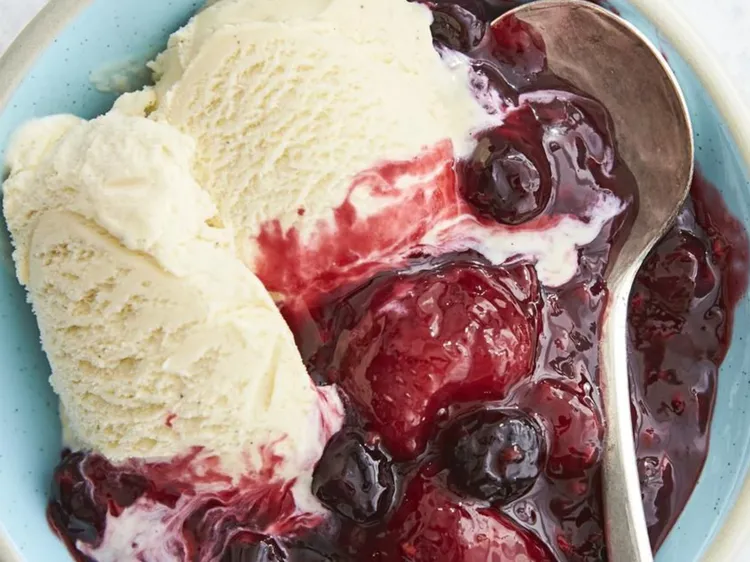
The Ultimate Warm Berry Compote: A Versatile 10-Minute Essential
There is a specific kind of kitchen alchemy that occurs when fresh or frozen berries meet a hot pan and a whisper of sugar. In less than fifteen minutes, humble fruit transforms into a glossy, ruby-hued warm berry compote that strikes the perfect balance between bright acidity and deep, jammy sweetness.
Unlike traditional jams or preserves, which rely on heavy sugar loads and long boiling times to achieve a “set,” a compote is celebrated for its freshness. The berries should remain somewhat intact, swimming in a vibrant syrup that carries the essence of summer regardless of the season. It is the ultimate “bridge” recipe—sophisticated enough for a dinner party dessert, yet simple enough to elevate a Tuesday morning bowl of oatmeal.
This recipe focuses on a triple-berry blend—typically blueberries, raspberries, and blackberries—brightened with lemon zest and grounded by pure vanilla. Whether you are looking for a berry compote for cheesecake or a healthy topping for pancakes, this guide provides the technical foundation for a professional-grade result every time.
Why This Recipe Works for Modern Kitchens
To rank in 2026, a recipe must provide immediate value and address common culinary “pain points.” This compote is designed for maximum efficiency:
-
Speed: Under 15 minutes from prep to plate.
-
Adaptability: Works with frozen fruit, making it a year-round staple.
-
Dietary-Friendly: Naturally vegan, gluten-free, and easily made refined sugar-free.
Ingredients
This recipe yields approximately 2 cups of compote. For the best results, use high-quality fruit; frozen berries are often superior to out-of-season fresh berries as they are flash-frozen at peak ripeness.
The Fruit Base
-
1 cup Blueberries: Provides structure and deep anthocyanin color.
-
1 cup Raspberries: Adds tartness and a delicate floral aroma.
-
1 cup Blackberries: Offers a robust, earthy sweetness.
The Aromatics & Sweeteners
-
1/4 cup Granulated Sugar: Adjust slightly based on the sweetness of your fruit.
-
1 tablespoon Freshly Squeezed Lemon Juice: Essential for balancing the sugars and brightening the fruit profile.
-
1 teaspoon Lemon Zest: Adds essential oils for a fragrant finish.
-
1 teaspoon Pure Vanilla Extract: Rounds out the flavors with a creamy undertone.
-
Pinch of Kosher Salt: A tiny amount of salt intensifies the natural berry sugars.
Optional Thickener
-
1 teaspoon Cornstarch dissolved in 1 tablespoon Water: Use only if you prefer a thicker, syrup-like consistency for heavy toppings.
Step-by-Step Instructions
1. Macerate the Fruit
In a medium heavy-bottomed saucepan, combine the blueberries, raspberries, and blackberries. Sprinkle the granulated sugar and salt over the top. Stir gently with a silicone spatula to coat the berries. Let sit for 5 minutes; this process, known as maceration, allows the sugar to draw out the natural juices.
2. Initial Heating
Place the saucepan over medium heat. Once you see a pool of liquid forming at the bottom of the pan and the mixture begins to bubble, give it a gentle stir.
3. Simmer to Consistency
Bring the mixture to a gentle simmer, then reduce the heat to medium-low. Cook for 8–12 minutes, stirring occasionally.
-
Visual Cue: You are looking for the blueberries to begin to “pop” and the raspberries to break down, creating a thick, dark red syrup.
-
Technical Note: Avoid a rolling boil, as high heat can dull the vibrant color and lead to a “cooked” or metallic flavor.
4. Brighten and Season
Once the compote has reached your desired thickness, remove the pan from the heat. Stir in the lemon juice, lemon zest, and vanilla extract. Adding these at the end preserves the volatile oils in the zest and the delicate aroma of the vanilla.
5. Final Adjustments (Optional)
If you prefer a thicker, glaze-like consistency (best for compote for cake), stir in the cornstarch slurry while the compote is still simmering and cook for an additional 60 seconds until clear.
Expert Tips & Variations
Professional Techniques
-
The Frozen Fruit Advantage: Do not thaw frozen berries before cooking. Adding them frozen allows for a slower release of juices, which helps maintain the structural integrity of the fruit.
-
Texture Control: For a “chunky-smooth” hybrid, lightly mash about 25% of the berries against the side of the pot with your spoon while cooking.
Ingredient Substitutions
-
Sweeteners: Substitute granulated sugar with honey, maple syrup, or monk fruit sweetener. Note that maple syrup will add a distinct autumnal flavor.
-
Citrus Swaps: If you don’t have lemons, orange juice and zest make an excellent substitute, providing a sweeter, softer acidity.
Serving Suggestions
| Pairing Category | Suggested Application | Flavor Note |
| Breakfast | Buttermilk Pancakes or Waffles | Replaces heavy maple syrups with fresh fruit. |
| Dairy | Greek Yogurt or Ricotta | The acidity cuts through the creamy fat. |
| Dessert | Cheesecake or Vanilla Ice Cream | A classic restaurant-style presentation. |
| Savory | Roasted Duck or Brie Cheese | Reduce sugar by half for a sophisticated gastrique. |
Storage & Make-Ahead Notes
-
Refrigeration: Store in an airtight glass jar for up to 10 days. The flavors deepen after 24 hours.
-
Freezing: This compote freezes beautifully. Store in a freezer-safe container for up to 3 months. Thaw overnight in the refrigerator.
-
Reheating: To serve warm, place in a small saucepan over low heat until simmering. Alternatively, microwave in 30-second intervals.
Nutrition Information
Per 1/4 cup serving (approximate values)
-
Calories: 85 kcal
-
Protein: 1g
-
Total Fat: 0.2g (Saturated Fat: 0g)
-
Carbohydrates: 21g
-
Fiber: 4g
-
Sugar: 16g
-
Sodium: 2mg
Frequently Asked Questions (FAQ)
What is the difference between compote and coulis?
A compote contains whole or chunky pieces of fruit in a syrup, while a coulis is a smooth fruit sauce that has been pureed and strained to remove seeds and skins.
Can I make this without sugar?
Yes. You can rely on the natural sweetness of the berries, though you may need to simmer the mixture longer to achieve a syrupy consistency, or use a small amount of cornstarch to thicken it.
Why is my compote watery?
Consistency varies based on the water content of your fruit. If it’s too thin, continue simmering uncovered for 3–5 minutes to allow more liquid to evaporate.