


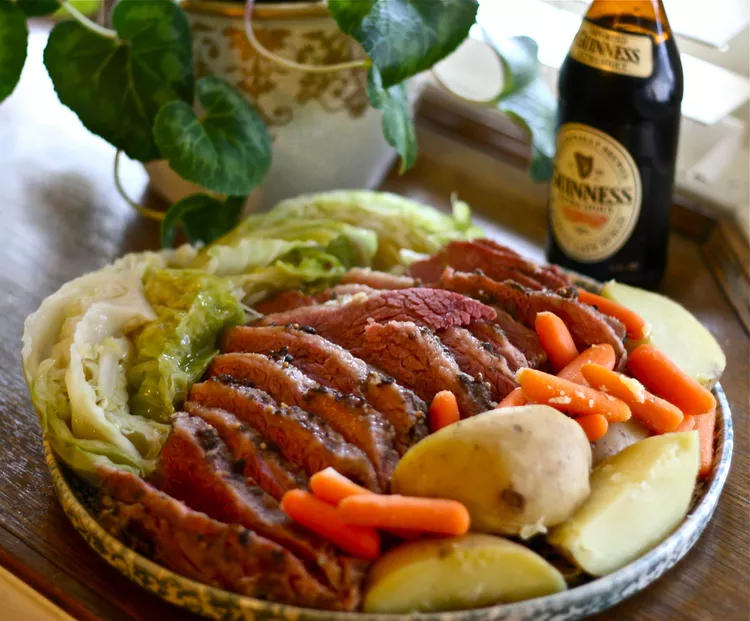
The Definitive Guide to Traditional Corned Beef and Cabbage: A Culinary Masterclass
For generations, Corned Beef and Cabbage has stood as a cornerstone of celebratory Atlantic cuisine. While often associated with St. Patrick’s Day festivities, this dish—when executed with technical precision—represents a sophisticated study in slow-braising and flavor infusion. The hallmark of a professionally prepared brisket is a delicate balance between the assertive salinity of the cure and the natural, earthy sweetness of winter root vegetables.
Achieving the perfect “fork-tender” texture requires more than a simple simmer; it demands an understanding of collagen breakdown, temperature control, and the strategic timing of aromatics. This guide provides an authoritative approach to mastering this timeless classic.
Selecting the Ideal Cut: Flat vs. Point
Before beginning the cooking process, a chef must choose the appropriate cut of brisket. Each offers a distinct textural experience:
-
The Flat Cut: Recognizable by its uniform, rectangular shape and leaner profile. It is the preferred choice for those seeking clean, aesthetic slices and a lower fat content.
-
The Point Cut: This cut is thicker, more marbled, and contains a higher ratio of connective tissue. It yields a more succulent, “shreddy” texture and a deeper beef flavor due to the rendered fat.
Ingredients: The Anatomy of a Perfect Braise
To ensure a balanced flavor profile, use high-quality, fresh produce to contrast the preserved nature of the beef.
The Brisket and Aromatics
-
4–5 lb Corned Beef Brisket: Pre-brined (look for high-quality, minimally processed options).
-
1 Signature Spice Packet: Typically contains mustard seeds, coriander, peppercorns, and bay leaves.
-
1 tbsp Whole Black Peppercorns: For added piquant depth.
-
3 Large Garlic Cloves: Smashed to release essential oils.
-
1 Large Yellow Onion: Quartered, peel removed.
-
12 oz Dry Irish Stout: (Optional) Adds a malty, complex bitterness that cuts through the salt.
The Garden Components
-
1 Head Green Cabbage: (approx. 2.5 lbs) Cored and cut into 8 thick wedges.
-
1.5 lbs Yukon Gold Potatoes: Halved; their waxy texture holds up better than starchy Russets.
-
4 Large Carrots: Peeled and cut into 2-inch bias-cut chunks.
-
Cold Filtered Water: Sufficient to submerge the proteins.
Step-by-Step Technical Instructions
1. The Prep and Rinse
Remove the brisket from its packaging and rinse thoroughly under cold running water. This critical step removes excess exterior brine, preventing the final cooking liquid from becoming unpalatably salty.
2. Establishing the Braising Base
Place the brisket in a heavy-bottomed Dutch oven or a large stockpot, fat-side up. Add the onion, garlic, peppercorns, and spice packet. If utilizing a stout, pour it over the meat first, then add enough cold water to cover the brisket by at least 2 inches.
3. The Precision Simmer
Bring the liquid to a gentle boil over medium-high heat. Once a boil is achieved, immediately reduce the heat to low.
Technical Note: The liquid should maintain a “lazy” simmer—approximately 190°F to 200°F. Boiling the beef too aggressively will cause the muscle fibers to seize and toughen.
Cover tightly and simmer for approximately 50 minutes per pound, or until the meat is tender when pierced with a paring knife.
4. Strategic Vegetable Integration
Timing is essential to avoid “mushy” vegetables.
-
At the 3-hour mark: Add the potatoes and carrots. Ensure they are submerged.
-
In the final 15 minutes: Place the cabbage wedges on top of the liquid. Cover the pot to allow the cabbage to steam and simmer simultaneously.
5. Resting and Service
Remove the brisket to a warm platter and tent loosely with foil. Allow the meat to rest for 15–20 minutes. This allows the internal fibers to relax and reabsorb moisture.
The Slice: Identify the direction of the grain (the lines of muscle fiber). Use a sharp carving knife to slice against the grain into 1/4-inch thick pieces. This shortens the fibers, ensuring every bite is tender.
Expert Tips and Variations
Professional Cooking Tips
-
The Skim: During the first 30 minutes of simmering, use a slotted spoon to skim off any gray foam (impurities) that rises to the surface. This results in a cleaner, more vibrant broth.
-
The Glaze Option: For a modern twist, remove the beef 20 minutes early, brush with a mixture of brown sugar and Dijon mustard, and finish in a 400°F oven until caramelized.
Dietary and Ingredient Substitutions
-
Low-Carb/Keto: Replace potatoes with halved radishes or cauliflower florets. Radishes, when boiled, lose their peppery bite and mimic the texture of a potato.
-
Gluten-Free: Ensure the spice packet is labeled GF, and substitute the stout with a gluten-free ale or additional beef bone broth.
Preparation Timeline Table
| Task | Time Remaining | Action |
| Start | 4.5 Hours | Rinse beef, start simmer. |
| The Mid-Point | 2 Hours | Check water levels; skim surface. |
| Vegetables | 45 Minutes | Add potatoes and carrots. |
| Final Greens | 15 Minutes | Add cabbage wedges. |
| The Finish | 0 Minutes | Rest meat for 20 minutes; then slice. |
Storage and Reheating
-
Refrigeration: Store in an airtight container for up to 4 days. Keep a small amount of the cooking liquid with the meat to prevent oxidation and dryness.
-
Freezing: Slice the meat before freezing. It will maintain quality for up to 3 months in vacuum-sealed bags.
-
Reheating: For the best results, steam the slices over a small amount of broth or microwave at 50% power to avoid “rubbery” protein.
Nutrition Information (Per Serving)
Values are estimated per 6 oz of cooked beef and 1.5 cups of vegetables.
-
Calories: 510 kcal
-
Protein: 34g
-
Total Fat: 32g
-
Saturated Fat: 11g
-
Carbohydrates: 24g
-
Fiber: 6g
-
Sugar: 5g
-
Sodium: 1,720mg